
Should You Add Diamonds to the Shank of Your Ring
Diamonds on a Ring Shank: A Practical Guide to Design, Comfort, and Wear
It influences how light moves across your hand, how the ring pairs with a wedding Choosing whether to add diamonds to your ring's shank affects both its aesthetic balance and daily wearability. The shank, the structural band circling your finger, does more than hold the center setting.band, and how easily the piece can be resized or maintained over time.
At Inner Expressions Fine Jewelry Design, we guide clients through these technical decisions during custom design projects and heirloom redesigns. Drawing on a background rooted in Manhattan’s Diamond District and years spent surrounded by master hand engravers, we evaluate accent diamonds based on craftsmanship, structural integrity, and how you use your hands every day.
What Is a Diamond Ring Shank?
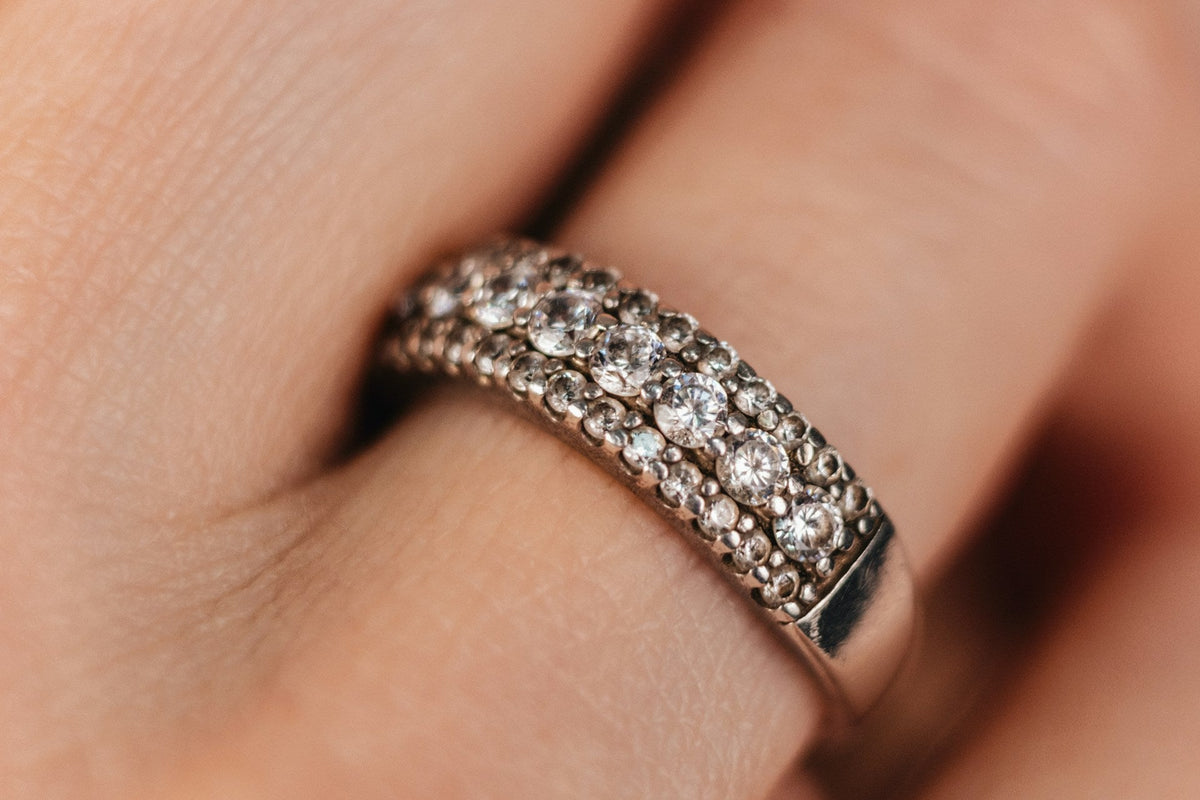
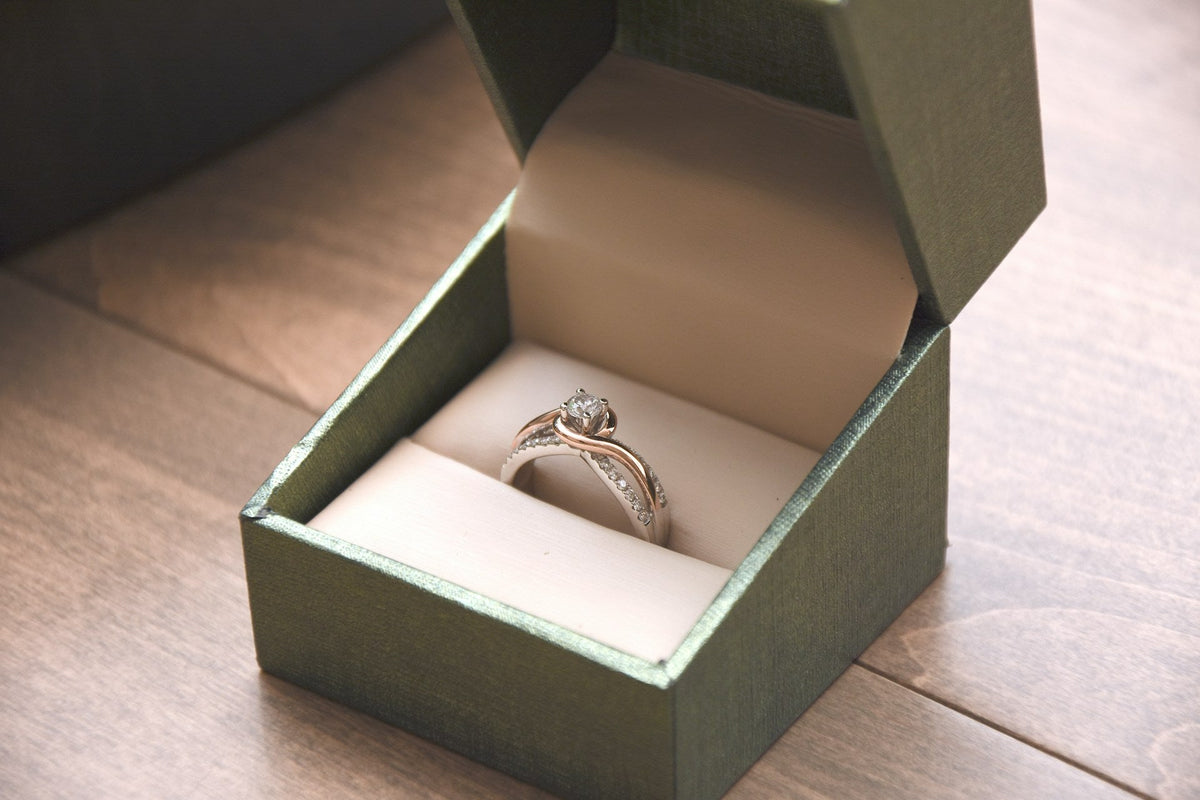
The shank refers to the band portion of a ring. Adding accent diamonds along the shank extends brilliance beyond the center stone, creating a multi-angle profile rather than a single focal point.
Selecting a diamond shank changes the visual proportions of your setting:
-
Enhancing the Center Stone: Small accent diamonds draw the eye along the band, making thin shanks appear brighter and framing smaller or vintage center stones effectively.
-
Creating Contrast: A plain polished or hand-engraved metal shank offers high contrast, letting a center diamond stand out independently. A diamond-set shank creates a continuous line of light.
Types of Accent Diamond Settings
The setting style determines how secure the stones are, how smooth the band feels between your fingers, and how much light enters the diamonds.
-
Pavé Setting: Small accent diamonds are set into small recesses and secured with tiny metal beads. This delivers a dusting of light with minimal visible metal, though the delicate beads require gentle wear and routine checks.
-
Channel Setting: Diamonds sit flush between two parallel metal tracks. The metal edges protect the stones from side impacts and snagging, making this setting a practical option for many active lifestyles.
-
Shared-Prong Setting: Adjacent diamonds share a single prong, exposing more of each stone's profile to maximize light entry. Because the sides of the diamonds remain open, this style requires careful alignment to prevent rubbing against neighboring fingers.
Band Coverage: Half, Three-Quarter, and Full Eternity
How far diamonds extend around the shank impacts long-term maintenance and resizing options.
-
Halfway (Semi-Eternity): Diamonds cover the top half of the band. The underside remains solid metal, protecting the settings from palm-side impact against steering wheels or tools while generally preserving flexibility for future resizing, depending on the ring's overall construction.
-
Three-Quarter Coverage: Diamonds extend further down the sides of the finger so no bare metal shows during hand movement, while retaining a small metal sizing bar at the base.
-
Full Eternity: Diamonds circle the entire band. This provides continuous shimmer from every angle, but limits future resizing capabilities and exposes palm-side prongs to constant contact with hard surfaces.
Lifestyle, Comfort, and Practical Maintenance
Accent diamonds add brilliance, but they also introduce specific maintenance requirements.
Durability and Prong Inspection
While diamonds rank at a 10 on the Mohs hardness scale, the gold or platinum prongs securing them are much softer. Daily contact against hard surfaces can push micro-prongs out of alignment or wear channels thin over time. Having your ring professionally inspected under magnification once or twice a year helps keep small accent stones secure.
Inter-Finger Friction and Profile Height
Setting height matters. If accent diamonds sit too high off the band, the edges can feel scratchy against adjacent fingers. A thoughtfully designed setting can position accent diamonds lower in the band to create a smoother, more comfortable profile.
Pairing with a Wedding Band
When worn next to a straight wedding band, exposed girdle edges of shared-prong shank diamonds can rub against the metal of the adjacent ring. Over time, this friction acts like a tiny saw, wearing down gold or platinum. Choosing a channel setting, adding a protective gallery rail, or matching the contour of your wedding band can help reduce metal abrasion.
Are Diamonds on the Shank Right for You?
Consider a diamond shank if you:
-
Want multi-angle sparkle across the top of your hand.
-
Prefer a detailed, custom-finished look for a classic solitaire setting.
-
Are redesigning an heirloom ring and want to incorporate smaller accent stones.
Consider a plain or engraved shank if you:
-
Work heavily with your hands in healthcare, athletics, or culinary arts and prefer a lower-maintenance band.
-
Want the flexibility to resize your ring easily in the future.
-
Plan to stack textured or diamond-set anniversary bands alongside your ring over time.
Custom Fine Jewelry Design in Manhattan
At Inner Expressions Fine Jewelry Design, every shank profile is designed around your lifestyle, hand proportions, and long-term aesthetic goals. From calculating metal thickness for structural stability to hand-selecting pavé accents, we prioritize precision craftsmanship so your ring wears comfortably for decades.
Discover Handcrafted Fine Jewelry
Explore our collection of custom handcrafted engagement rings and fine jewelry designs, or contact our Manhattan studio to schedule a design consultation for your custom project or heirloom redesign.
Comments