
How to Choose Your Dream Ring Style That Feels Like You
How to Find Your Engagement Ring Style
Choosing an engagement ring starts with practical design decisions: the stone shape you prefer, the setting that protects it, the ring’s profile, and how it will feel during daily wear. A beautiful ring should also be comfortable, secure, and proportioned for your hand.
Before you compare carat weights or diamond shapes, consider how you use your hands. Carat measures a diamond’s weight, not its size. Two diamonds with the same carat weight can look different in visible dimensions depending on their shape, cut, and proportions. Think about your work, exercise, cooking, caregiving, gloves, and any activities that put regular wear on a ring. These details help narrow down settings, band widths, and profile heights that suit your routine.
At Inner Expressions, Fine Jewelry Design, our designer Carol Offman grew up in New York’s Diamond District around hand engravers and stone setters. That exposure informed her appreciation for craftsmanship and the careful work behind secure settings, balanced proportions, and refined metalwork. Rather than steering you toward a trend, we help you compare modern, classic, and vintage-inspired designs based on how each one looks, wears, and holds up over time.
If you are not sure what your style is yet, you are in the right place. Many people begin by identifying a few preferences, such as a clean or detailed setting, a low or high profile, and a narrow or substantial band. From there, we can explore custom engagement rings in Manhattan that fit both your design preferences and daily life.
What Modern Style Really Means for Your Ring
Modern style is often about clean lines, thoughtful negative space, and letting the stone be the star. You might see:
-
Slim bands with very little extra metal
-
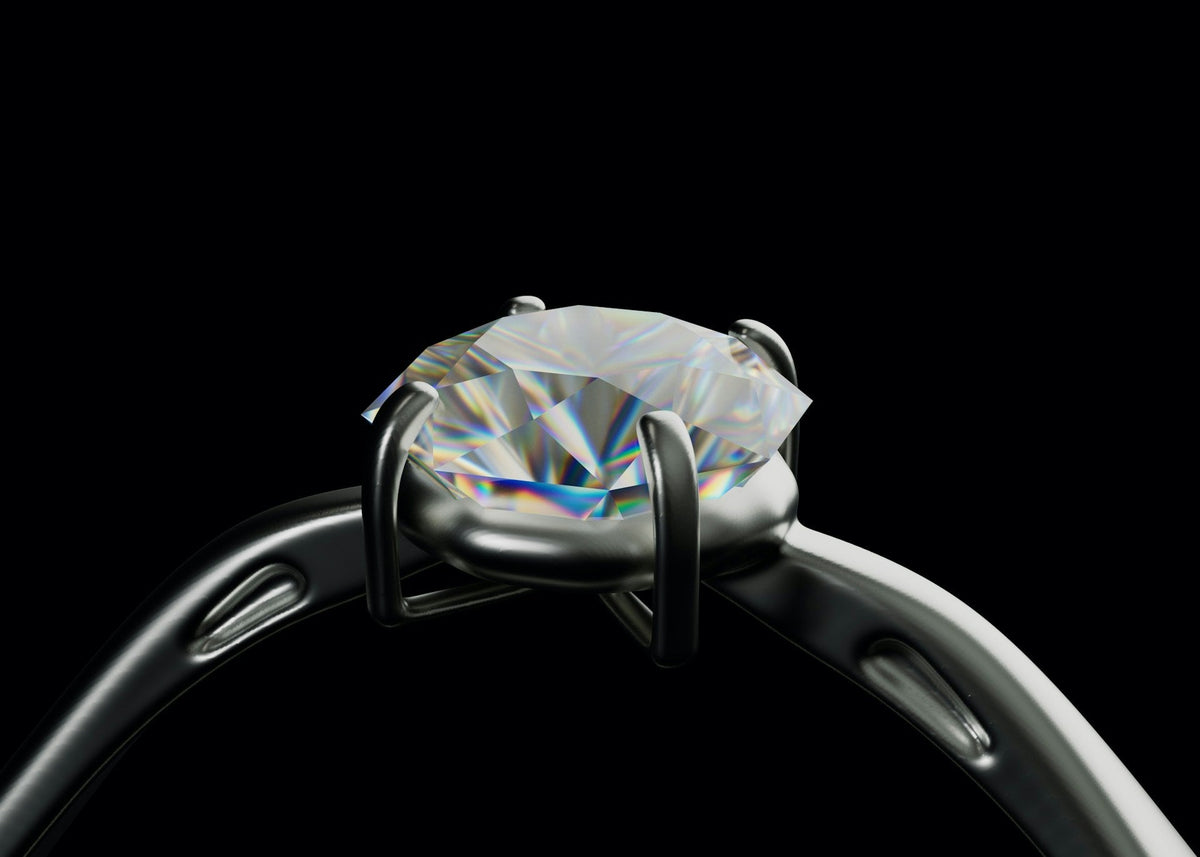
Bezel settings that frame the diamond in a smooth, protective rim
-
East-west settings, where the stone lies horizontally across your finger
-
Geometric shapes and unexpected proportions that still feel simple and clear
Modern features offer clear practical advantages, along with a few tradeoffs to consider. A bezel setting surrounds the diamond with a continuous rim of metal, offering strong protection along the stone's perimeter and reducing the number of exposed prongs that can catch or snag. An east-west setting can give an elongated stone, such as an oval, emerald cut, marquise, or pear, more horizontal finger coverage. It can also create a lower visual profile than a north-south design, though the exact height depends on the setting construction.
Very slim bands can look refined and allow the center stone to stand out, but a narrow shank needs adequate metal thickness and thoughtful design for long-term wear. A band that is too delicate for the stone size or your routine may be more prone to bending or distortion. We consider the center stone, setting style, finger size, and intended wear before recommending a narrow band.
A modern ring often says you love:
-
Simplicity over ornament
-
Pieces that move from office to weekend without feeling out of place
-
Design that feels intentional, not fussy
To see if modern might be your direction, pay attention to what you are drawn to in everyday life. Do you love sleek architecture, uncluttered rooms, and a wardrobe full of solid colors and clean silhouettes? Do you tend to choose one or two favorite pieces of jewelry and wear them constantly? If you are nodding, a modern ring style might feel like home on your hand.
Classic Styles That Never Go Out of Season
Classic engagement rings are the pieces that still look right, decades and generations apart. Think of:
-
Solitaires with a single center diamond on a simple band
-
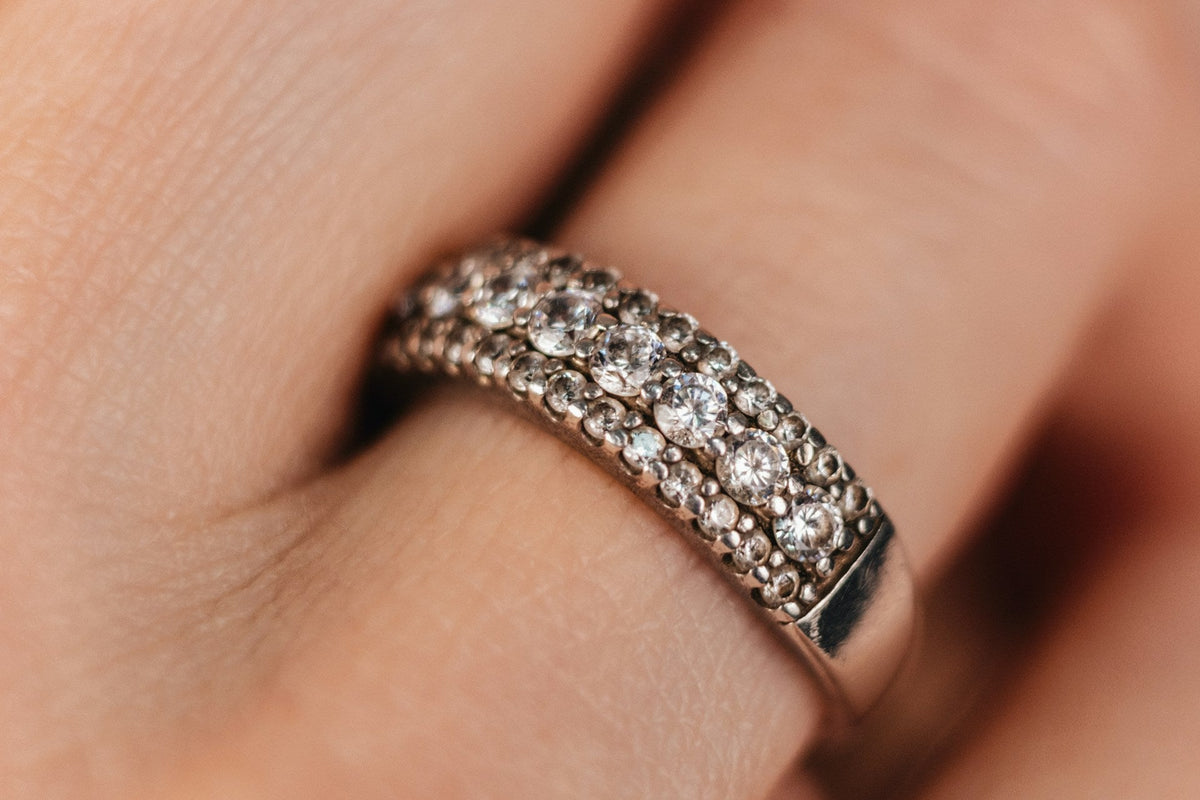
Slim pavé bands dotted with tiny diamonds
-
Refined halos where a circle of small stones frames the center
-
Three-stone rings with balanced side stones that hug the center
Each classic style has different maintenance and wear considerations. A well-proportioned solitaire often has fewer areas to clean and can be easier to maintain than a more detailed design. Its prongs should still be checked periodically to help ensure the center stone remains secure. Pavé bands and halo settings add sparkle through multiple small diamonds, so they benefit from occasional inspection to check that the small stones remain secure. Three-stone rings offer more finger coverage and visual balance, but each stone requires a secure setting and prongs that receive regular attention.
Choosing classic does not mean choosing boring. It means giving yourself a strong, timeless canvas. From there, personal details can make the design deeply yours, such as:
-
The exact curve of the band against your finger
-
The shape and style of the prongs holding your stone
-
A hidden diamond or birthstone tucked inside the band where only you know it is there
Classic rings can also make wedding-band planning more straightforward, but it is still important to discuss stacking early. A straight wedding band may sit flush beside a solitaire with enough clearance, while a low-set halo or a setting with a wider basket may need a contoured band or near-flush fit. If resizing may be likely in the future, a simpler shank often allows more flexibility than an eternity-style band with diamonds all the way around.
Vintage and Heirloom-Inspired Engagement Rings
Vintage-inspired styles bring the detail of another era into a ring designed for current wear. You will often see:
-
Milgrain edges, those tiny beaded borders that catch the light softly
-
Hand engraving that adds leafy, floral, or scroll patterns into the metal
-
Old-cut diamonds (such as Old European or Old Mine cuts), which feature larger facet proportions, smaller tables, and steeper crowns that create a distinct, soft, candlelit sparkle
-
Curves, filigree (delicate lace-like metalwork), and floral motifs that feel delicate but expressive
Milgrain, engraving, filigree, and openwork require careful craftsmanship. Their fine details may also need more attentive cleaning and maintenance than a smooth, simple band. Detailed designs can remain practical when they include protected edges, secure settings, and a profile that does not snag easily on clothing, gloves, or hair. We also consider how the ring feels between your fingers when you close your hand and whether its height suits your daily routine.
Carol grew up in the Diamond District around hand engravers and stone setters, and that exposure informed her appreciation for old-world detail and careful construction. It also guides the way we approach heirloom redesigns and vintage-style custom pieces. Before resetting an inherited stone or metal, we evaluate its condition and suitability for the new design. Some stones may need secure new settings, and older metal may not be the best choice for rebuilding a structural part of a ring.
If you have a family stone or an engagement ring that feels outdated, we can transform it into a one-of-a-kind piece while preserving meaningful elements where appropriate. You might keep the original center diamond and place it in a new setting with graceful engraving, or echo a grandparent’s ring with similar details adapted to your taste.
If you are drawn to old photos, antique shops, or jewelry with a story, vintage style may speak to you. The key is balancing ornate detail with daily wear. We pay attention to:
-
Smooth or protected edges that will not catch on clothing
-
Strong, secure settings for the center stone and accent diamonds
-
A profile that feels comfortable for work, exercise, cooking, caregiving, and other frequent hand use
Blending Styles to Create a Ring That Feels Like You
Very few people fit into a single style box, and your ring does not have to either. You might love:
-
A low-profile solitaire with subtle milgrain
-
A bezel-set elongated stone with a classic band
-
A three-stone ring with vintage-inspired engraving
A custom jeweler can balance these aesthetic preferences with structural needs. For example, a low profile can reduce catching during daily activities, while a higher profile can provide more stone visibility but may be less practical for active hands. We can also plan the setting around the wedding band, whether you prefer a flush stack, a near-flush fit, or a contoured band designed to sit neatly beside the engagement ring.
Custom engagement rings also allow us to consider stone security, band strength, and future resizing before finalizing the design. Very intricate shanks, eternity-style bands, and heavily engraved rings can be more difficult to resize, so it helps to discuss ring size and long-term plans early.
How to Use Inspiration Photos to Find Your Ring Style
Inspiration overload is real, especially when you scroll through endless photos. Instead of trying to copy one perfect ring, use your saved images to identify recurring design preferences. Look for patterns in:
-
Stone shape, including round, oval, emerald, marquise, pear, or cushion cuts
-
Metal color, such as yellow gold, white gold, rose gold, or platinum
-
Ornamentation, including plain metal, pavé, milgrain, engraving, halos, or side stones
-
Band width, from delicate and narrow to more substantial
-
Setting height and whether the center stone sits close to the finger or noticeably above it
-
Whether the saved rings appear to accommodate a straight wedding band beside them
Before you meet with a designer, it helps to think through a few practical questions:
-
Which stone shapes appear most often in my saved images?
-
Do I prefer a smooth bezel, visible prongs, a halo, or side stones?
-
How low does the ring need to sit for my work, gloves, exercise, cooking, caregiving, or frequent hand use?
-
Do I want a straight wedding band to sit flush or near-flush with the engagement ring?
-
Would I prefer a band that may be easier to resize later, rather than an eternity-style or heavily engraved shank?
-
Which metal color and band width do I consistently choose?
You do not need perfect jewelry vocabulary. Clear preferences and practical details are enough. We can translate what you notice into stone shape, setting design, metal choice, profile height, and band construction.
Get Started With Your Project Today
Explore design options with our online ring builder. At Inner Expressions, Fine Jewelry Design, we can help you compare stone shape, setting, metal, profile height, and wedding-band compatibility during a consultation. Share your ideas, preferences, or inspiration photos and we will guide you through the details that matter for daily wear. If you have questions before you begin, you can contact us for personalized support.

Comments