
Natural Vs. Lab-Grown Diamonds: Which Is Right for You
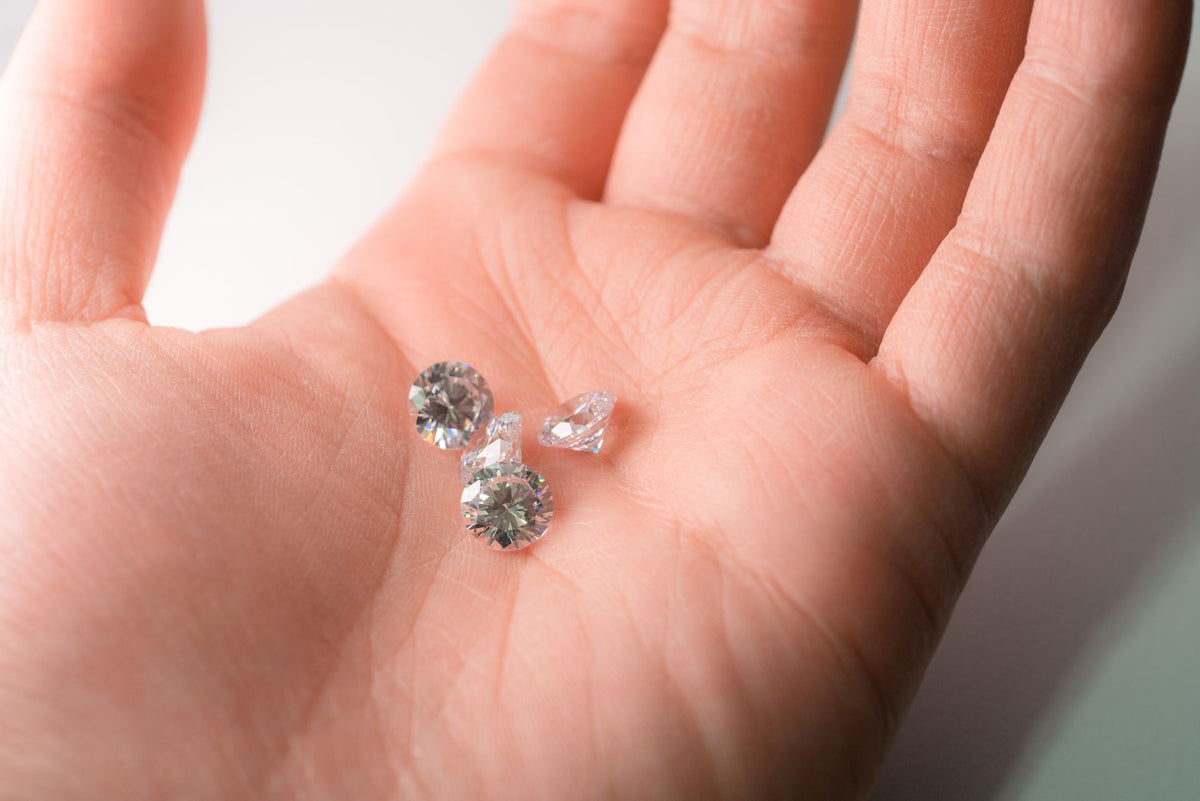
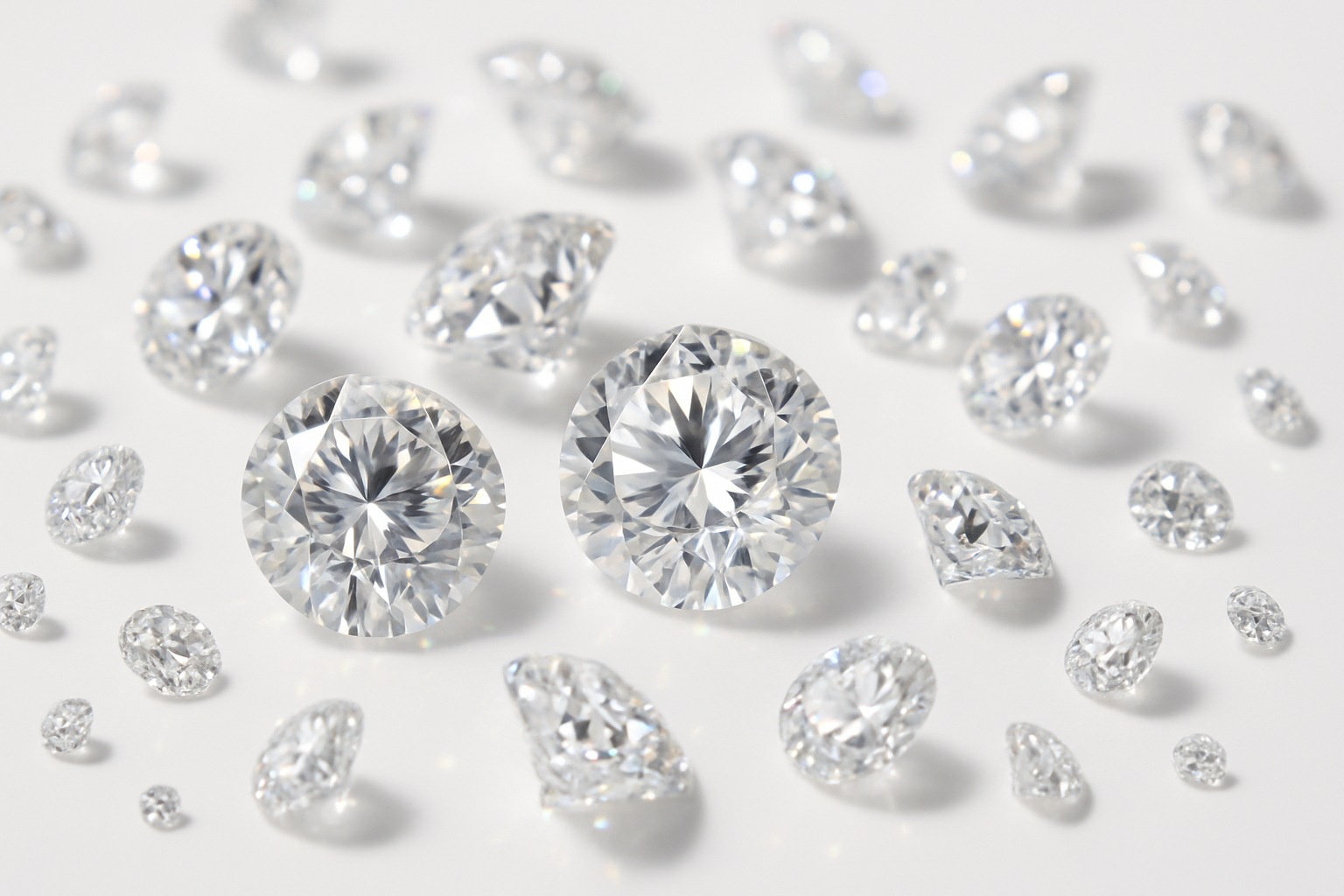
A lab-grown diamond is a real diamond. Natural and lab-grown diamonds share the same chemical makeup, crystal structure, brilliance, and durability. The difference is not what they are, but where and how they formed.
For many people, choosing a diamond means more than choosing sparkle or size. You may feel drawn to a natural diamond’s ancient Earth story, prefer the design flexibility of a lab-grown stone, or simply want a ring that feels personal to your relationship, achievement, or new chapter. At Inner Expressions, Fine Jewelry Design, we begin every custom piece by listening to what matters most to you.
Why Both Are Real Diamonds
Carbon atoms join in an exceptionally strong structure to create both natural and lab-grown diamonds. That structure gives diamonds their lasting beauty and makes them the hardest gemstone on Earth. Whether a diamond formed deep below the ground or grew in a controlled laboratory, you can wear and love it every day in an engagement ring, wedding band, anniversary gift, or milestone piece.
A trained gemologist can tell whether a diamond formed in the earth or a laboratory by using specialized equipment. To your eye, though, a high-quality natural diamond and a high-quality lab-grown diamond can look equally bright, clear, and beautiful.
Jewelers often call the standards we use to evaluate both types of diamonds the 4Cs:
- Cut, or how well the diamond reflects light and creates sparkle
- Color, or how colorless the diamond appears
- Clarity, or the tiny characteristics within the stone
- Carat weight, or the diamond’s measured weight
The best diamond is not always the biggest one. A beautifully cut diamond with balanced proportions can light up a setting in a way that feels much larger than its carat weight suggests. We help you consider the whole design, including shape, setting, metal, and the meaning you want your piece to hold.
Natural Diamonds Carry a Story Written by Earth
Natural diamonds formed roughly 90 million to 3 billion years ago, far beneath Earth’s surface. Intense heat and pressure transformed carbon into crystals of extraordinary strength. Each one holds a rare piece of Earth’s history, and ancient volcanic activity carried it closer to the surface long before any of us arrived.
Most natural diamonds come from kimberlite pipes, the remains of those ancient volcanic pathways. Miners recover only a small portion of diamonds that can serve in fine jewelry, adding to the rarity that many couples and collectors find so meaningful. For the romantic at heart, that long natural origin can feel like a fitting symbol of enduring love and resilience.
Sourcing matters, too. You should feel comfortable asking where a diamond came from and which documentation a seller can provide. We hand-select conflict-free diamonds, and traceability resources, including GIA Diamond Origin reports, can offer a clearer view of a stone’s background.
Natural diamonds are not one simple story. Responsible mining practices, transparent reporting, and community investment all matter. In diamond-producing countries such as Botswana and Lesotho, diamond revenue has supported areas such as roads, education, healthcare, clean water access, conservation, and local economic development. Asking thoughtful questions helps you choose with greater confidence and care.
Lab-Grown Diamonds Offer a Modern Path
Scientists began growing diamonds in laboratories in the middle of the twentieth century, though the first crystals were too small for fine jewelry. As technology developed, larger gem-quality diamonds became possible, giving couples and gift-givers another meaningful option for custom jewelry.
There are two primary ways to create lab-grown diamonds:
- HPHT, short for high-pressure, high-temperature, recreates conditions similar to those deep within Earth
- CVD, short for chemical vapor deposition, grows diamond layers from carbon-rich gas inside a controlled chamber
- Producers may give some CVD diamonds post-growth treatment to improve their color
Laboratories can grow lab-grown diamonds in a matter of weeks and in greater quantities. That supply can make it easier to prioritize a larger center stone, higher clarity, or a more detailed custom setting within your preferred investment. Choosing lab-grown does not mean choosing less brilliance, beauty, durability, or meaning.
Many people also view lab-grown diamonds as a conflict-free option. We recommend asking about the grading report, the stone’s quality, and any post-growth treatments producers used. Clear information helps you understand exactly what you are choosing, which is especially important for a piece meant to become part of your life story.
Choose the Diamond That Feels Like You
A natural diamond may feel right if you love rarity, geological history, and the thought of wearing something formed by Earth over an extraordinary span of time. Some people see that strength and permanence reflected in a lifelong partnership, then choose to pass the ring down as an heirloom for future generations.
Lab-grown may speak to you if you want to emphasize diamond size, quality, or an elaborate one-of-a-kind setting. A lab-grown engagement ring in NYC can feel every bit as personal as a natural diamond ring when you design it around your style, daily life, and the moment it represents.
Upfront value often differs between the two. A lab-grown diamond typically costs less than a comparable natural diamond with similar size, cut, color, and clarity. A natural diamond usually carries a higher initial price because nature created it in limited supply over millions or billions of years.
Resale and value retention deserve consideration, too. Natural diamonds have a longer-established resale market and may hold value more consistently in certain qualities, though no diamond guarantees a return and resale prices vary widely. Lab-grown diamond prices have declined as production has increased, and the resale market remains more limited. For both choices, the greatest value often comes from the beauty, craftsmanship, and meaning you enjoy every time you wear your piece.
Seeing diamonds side by side often brings clarity. In our Diamond District studio, we can talk through the details that shape how a ring feels on your hand and in your life:
- The sparkle and proportion of different diamond shapes
- The balance between center stone and setting
- Metal choices that suit your style
- Details that honor a proposal, anniversary, birth, graduation, or personal achievement
Begin Your Custom Diamond Story in NYC
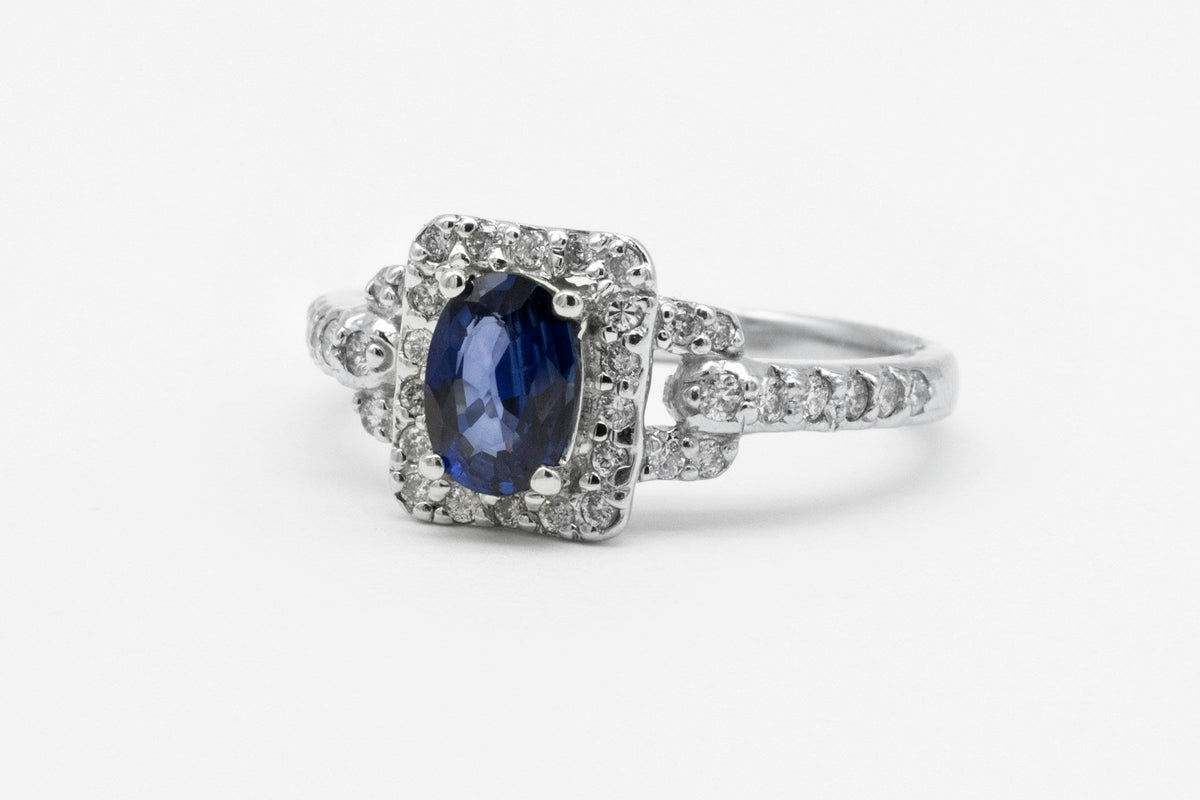
Creating a custom engagement ring, wedding band, redesigned heirloom, or milestone piece should feel personal, not overwhelming. Bring your questions, inspiration photos, family jewelry, and ideas with you. Carol Offman brings more than 28 years of experience and a third-generation Diamond District heritage to these conversations. Her lifelong love of handcraftsmanship and meaningful design guides every detail.
There is no single right answer between natural and lab-grown diamonds. The right choice reflects your relationship, your values, your style, and the story you want your jewelry to carry for years to come.
Bring Your Ring Story to Life
Design a lab-grown engagement ring in NYC that feels distinctly yours, from the diamond shape to the final handcrafted details. At Inner Expressions, Fine Jewelry Design, we bring decades of Diamond District craftsmanship to each custom piece. When you are ready to talk through your ideas, contact us for a personal consultation.
Comments